
How to use a question timer without panicking
Timers only help if they train a decision rule. Here is the three-step rule we teach for a 30-second clock.
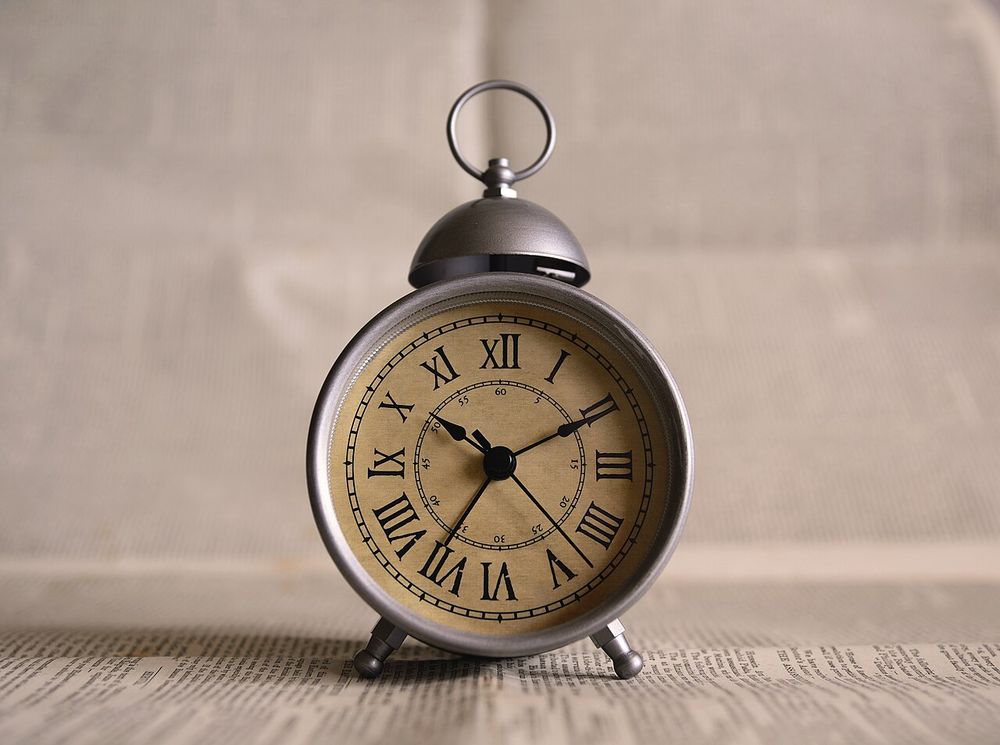
A timer is a coach, not a threat
Most aspirants treat the countdown as an enemy. It is not there to rush you — it is there to tell you, per question, whether your current pace survives the paper. A 30-second clock on a 100-question paper means the paper expects roughly that pace. Fighting the clock is fighting the paper's own design.
The shift that fixes panic is deciding what the timer means before the test starts: green means ahead of pace, amber means decide now, red means move on. Three colours, three pre-decided actions. No thinking required mid-paper.
The 10-10-10 rule
Split every question's budget into three parts. First 10 seconds: read and classify — do I know the method instantly, can I work it out, or is this a skip? Second 10 seconds: execute only if you classified it as instant. Final 10 seconds: if you are still working, mark your best guess and move on.
The middle step is the whole game. Learners who practise classification cut their average time per question by a third within two weeks, because half of all lost time goes to questions that were never going to yield marks.
Practise with three clocks, not one
Speed rounds (15 seconds) train recall. Standard rounds (30 seconds) train method. Exam simulations (60 seconds with negative marking) train judgment. Each clock builds a different muscle, and only the third one teaches you when to leave a question blank.
On UNLOCK, run the same topic under all three modes in one week and compare accuracy. The gap between your 15-second and 60-second scores is your panic tax — watch it shrink.
What to do this week
Pick one weak topic. Do 20 questions in speed mode, 20 in standard, then one exam simulation. Write down every question where the timer changed your answer — those are the exact decision points to drill next week.
Practise it
Reading is not training
Every idea above is a drill inside UNLOCK — timed questions, instant solutions, and XP for doing it daily.
Start practising freeKeep reading
Related notes
A decision tree for guessing under negative marking
Two options eliminated is not the same as three. A simple tree that keeps expected marks positive.
Twelve speed-maths shortcuts worth memorising
Percentage change, successive discounts and ratio splitting — the shortcuts that save the most seconds.

A repeatable framework for seating-arrangement puzzles
Stop drawing ten circles and hoping. Order the clues by constraint strength and the grid fills itself.